M icon

Paul Salvage Psychotherapy

Psychodynamic Psychotherapy in Brighton and Hove

Can Psychotherapy Help You?

Therapy For Anxiety, Depression, Grief And Loss

Welcome.

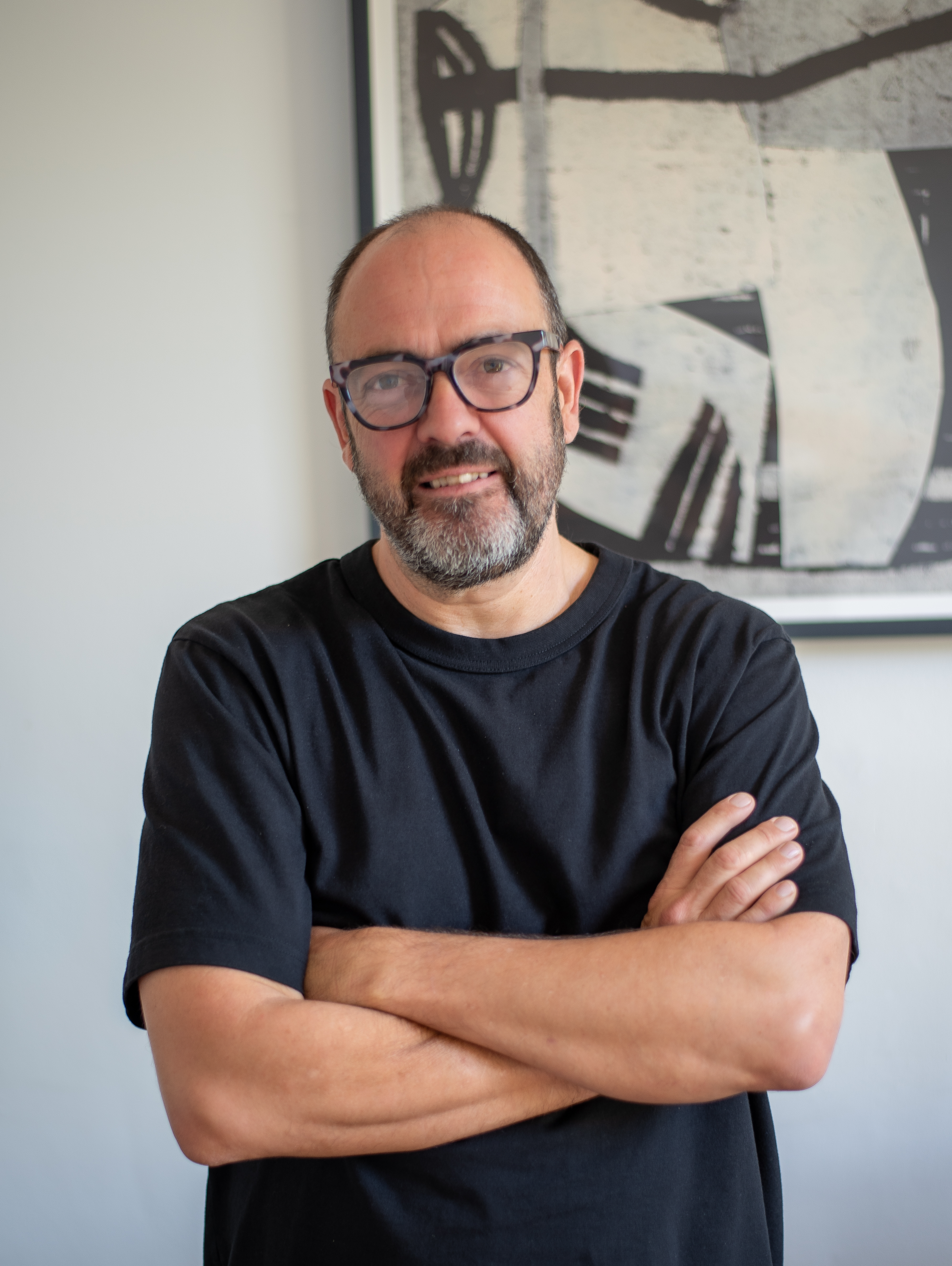
My name is Paul Salvage. I am a UKCP regsitered Psychodynamic Psychotherapist, working from my private consulting room in The Drive, Hove and from Brighton Therapy Centre on New Road, Brighton. I qualified with an MSc in Psychotherapy from The University of Brighton in 2014.

A human life is complicated and most people will experience some form of anxiety, depression, or emotional distress during its course. When feelings start to feel overwhelming, psychotherapy offers a unique space to begin making sense of them.

I also do some teaching for Brighton Council, helping professionals therapeutically and I am a qualified Psychodynamic supervisor.

UCKP logo
Qualifications

2023

Supervision Qualification-Society of Analytic Psychology.

2016

Functional Family Therapy – Youth Offending Service.

2014

MSc in Psychotherapy.-University Of Brighton.

2009 I

Integrative Counselling with Mindfulness - Centre for Mindfulness Based Education.

Since 2014

UKCP Registered (2011164259). Fully DBS Cleared.

The Psychodynamic Approach.

01

Deep Listening

I listen carefully to the experiences you share and think carefully with you about how these are affecting you - both consciously and unconsciously.

02

The Unconcious

Core experiences and beliefs can be ‘unconscious but operational’, driving us in ways that aren’t understood. Understanding these helps alter their influence.

Working Together

You share as openly as possible your experiences, thoughts, dreams and emotions. I offer support, challenge and another perspective in ordinary language.


Areas I Can Help With

Please click on any heading for further information.

Anxiety

Anxiety is often caused by both external and internal difficulties - challenging situations, behind anxieties are often experiences of loss, abandonment, rejection and being misunderstood.

Depression

Sadness, despair, hopelessness, irritability and instability. A safe confidential space to experience and understand rather than hiding or fighting against these feelings.

Destructive behaviour

Sometimes we can find ourselves repeating self-destructive behaviours that are getting in the way of living well. This can be a painful experience and is often defended against, as it can be felt as a terrible blow to our self-esteem and the idea of who we think we are. Therapy can be a safe place to investigate these.

Relationships

Loneliness, intimacy difficulties, repeating destructive patterns. These can be safely explored through the therapeutic relationship.

Addictions

We numb ourselves for all sorts of reasons, but this brings only temporary relief. Often, we attach to something that, although harmful, is at least reliable and effective. Therapy for addictions can be complex as it can get in the way of insight and progress. However, if there is a real willingness to go beyond the numbing behaviour, it can really help to understand what the nature of the pain is that is being numbed. Other treatments may need to be considered alongside therapy if the addiction is severe.

Crisis

This can be brought about by unexpected changes and challenges. Burn-out, heartbreak, retirement, abuse, loss and identity crisis. These require a thoughtful non-judgmental space where these unexpected challenges to our sense of self can be processed and new ways of being created.

Trauma

Experiences of trauma, abuse, and/or neglect can be overwhelming and damaging. These experiences have been ‘too much’ to process and instead have been boxed away. At the time this may of been absolutely necessary for psychic survival, but can create problems down the line. The mutual creation of a safe therapeutic can create a space where these experiences be thought about, and processed slowly ‘unboxing’, these painful sometimes unconsciously stored experiences. Trauma can be big T trauma, where there have been significant events tor experiences that have been disturbing and overwhelming or little T trauma, where cumulative experiences of neglect or unavailability have built up and had a profound effect.

Change

Often we know we need to make changes but remain stuck in old patterns. These old ways need to be understood, as well as the imagining and implementation of new ways and paths forward.

Support

Sometimes we just need the supportive space of an hour a week to unburden ourselves to meet the challenges of our lives. Work, relationships, friendships, parenting, and family dilemmas can all be helped by the calm thinking space of therapy, enabling us to bear the burden of our own responsibilities.

Identity

Finding out who we are, our true voice when we are often crowded out by so many competing ideas or influences can be essential in living a life of authenticity.

Therapists in training

Therapists are required to have their own therapy to experience being a patient. This inevitably illuminates the therapist’s own complexes in this difficult work. As is often stated, we can only take out patients/clients as far as we have gone ourselves

Supervision

I am a qualified Supervisor qualifying through The Society of Analytic Psychology, which is a Jungian orientated training institute. This has informed my Psychodynamic thinking and my main approach to Supervision is to explore the experience of both therapist and patient as they create the treatment together.

Adolescents 16-25

I have been evolving my work as a Psychotherapist with Adolescents for some time now. I started working with adolescents as a youth worker over 30 years ago and have continued in my Psychotherapy career, through working with Students at Sussex University, setting up a rites of passage mentoring service in Brighton;- abandofbrothers.org, completing a secondment with the Family Therapy Service at the Youth Offending Service and for the last ten plus years have been providing open ended psychotherapy to young people in crisis for Brighton Council. I have completed some of the Society of Analytic Psychologies excellent course on working with Adolescents as a transition and a pathway to adulthood.

Adolescence has always been a difficult time, with the often-precocious rush to an imagined adult identity. Today adolescence can be an almost permanent state of being, with confusion around responsibility and vagueness about the transition to adulthood. Adolescent states of mind and behaviours can continue well into adulthood.

Counselling room in in Brighton and Hove with chair, desk and lamp

In my work with the Family Offending service, I encountered up close how even with the most supportive family environment, adolescence can throw up huge and sometime quite dangerous challenges. The needs of the parental family and the needs of the adolescence can often be in sharp conflict. Building an initial working relationship is key and presents different challenges to the adult population who come with a greater sense of their own needs. Then there is an agreed focus of the work and the exploration of the adolescent’s identity, dependency conflicts and challenges, providing a neutral space where these can be thought about in some depth. Finally, I aim to support in developing a path through and out of adolescence towards adulthood.

FAQs, room and fees

What happens in an initial consultation?

Initially we may speak by phone or via email and can arrange an initial consultation. In this initial meeting I will invite you to tell me about what is going on for you and seek to get a general understanding of you and your history. It is also a chance for us to meet, for you to get sense of me and to see if we would be a good ‘fit’. We may agree to work together and or to have another preliminary meeting or we may think about other approaches that may beneficial. There is no commitment to continue from this meeting.

What happens if we agree to commence therapy?

If we agree to commence therapy, we will agree a day and time to meet weekly, either once a week or twice a week. We may agree to work for a set amount of time, a few months or work more openly deciding as we go what is most beneficial.

What happens if I can’t make a session?

I do charge for missed sessions as that time will have been put aside exclusively for your use, however of possible I will try and offer an alternative time in the same week. Obviously, I don’t charge if I am away.

What are your fees?

My standard fee is £75 although I do offer some lower cost places for those on low incomes. I do charge for initial consultations.

Where do you work from?

I work from my own private consulting room in The Drive in Hove.

Get in Touch

UCKP logo
Brighton Therapy Centre logo